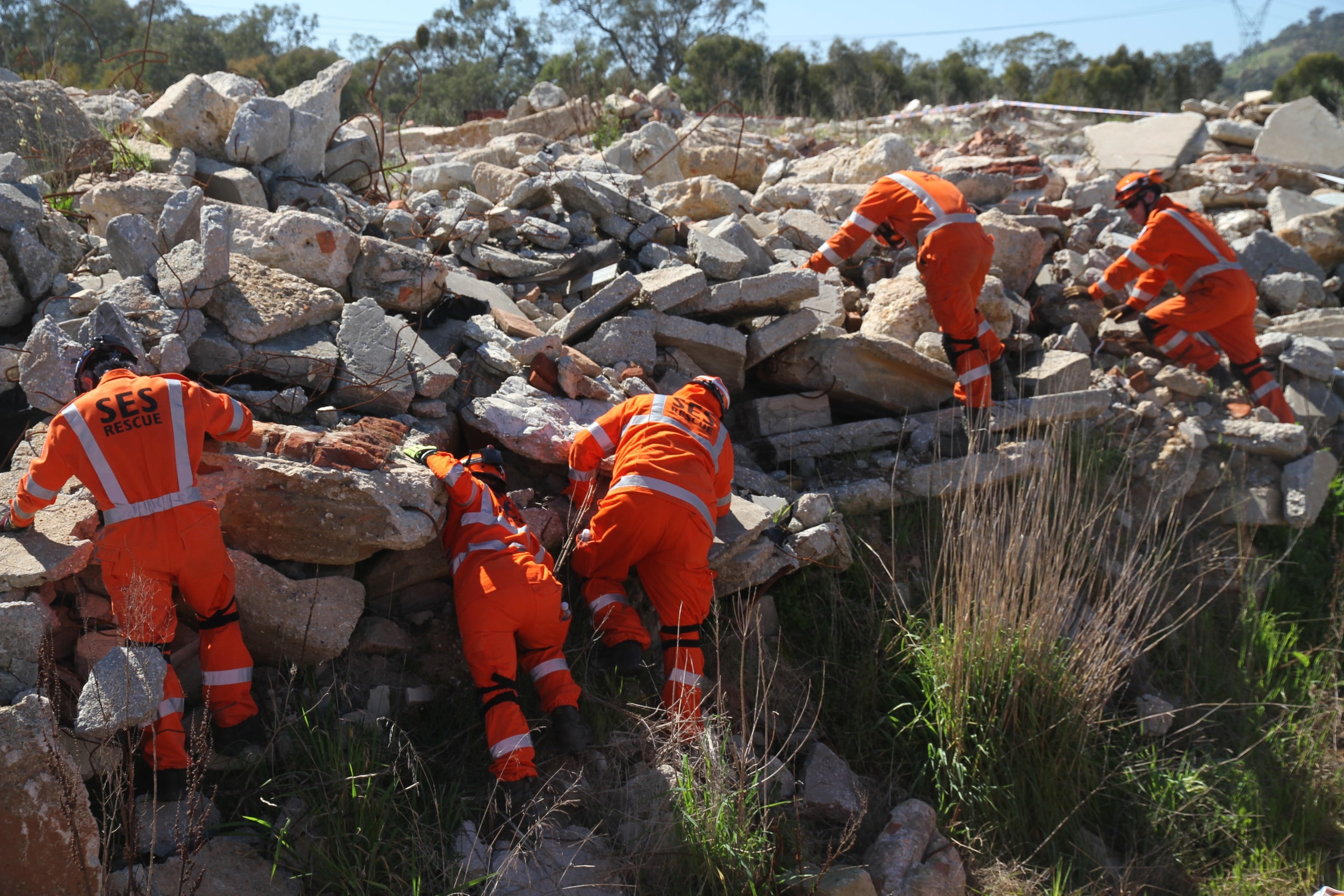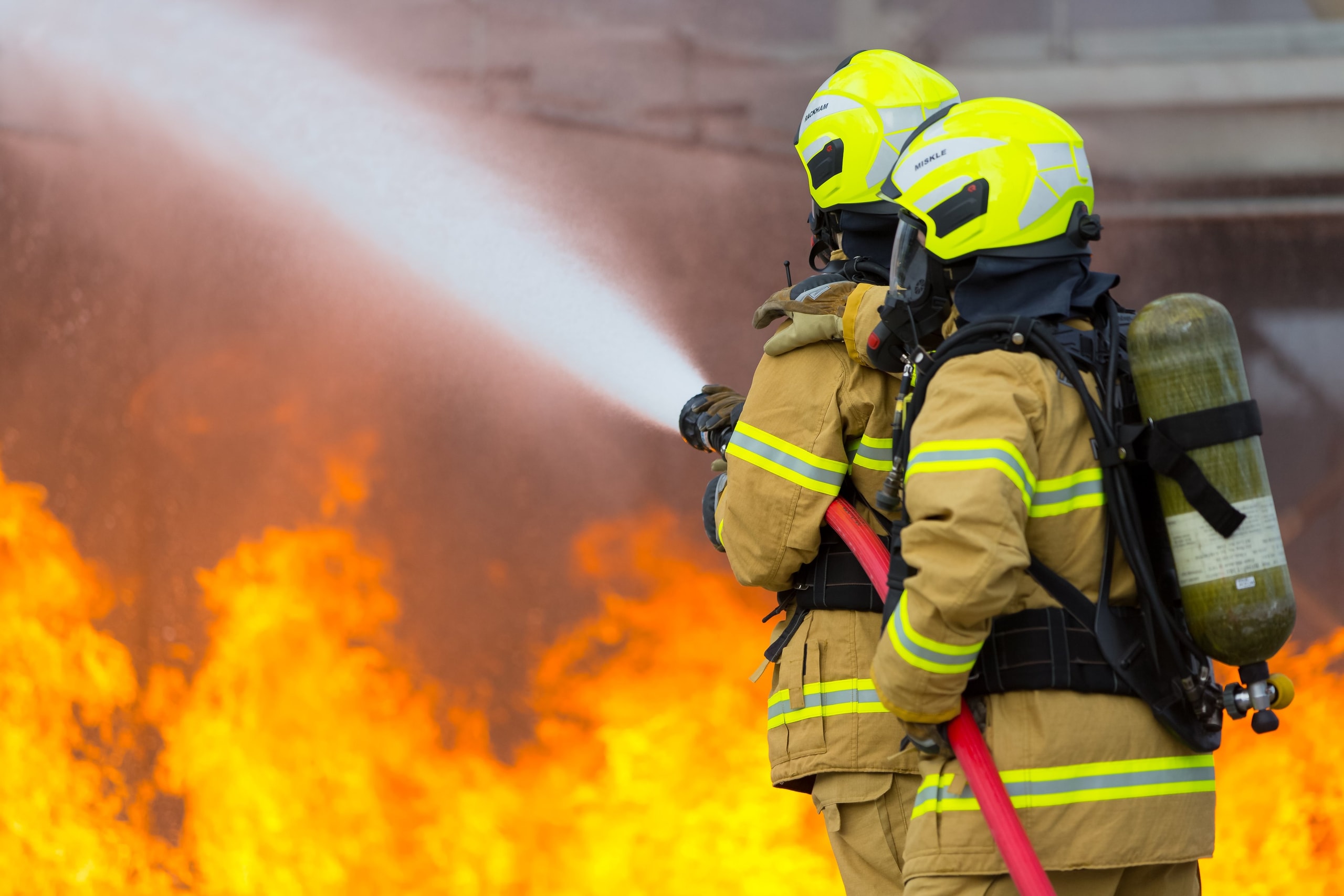
Fire and Emergency Services organisations are much more than response agencies
They provide risk mitigation and practical information to governments, communities, and businesses to support community resilience and minimise potential exposure to harm.
The Fire and Emergency Services industry-sector include:
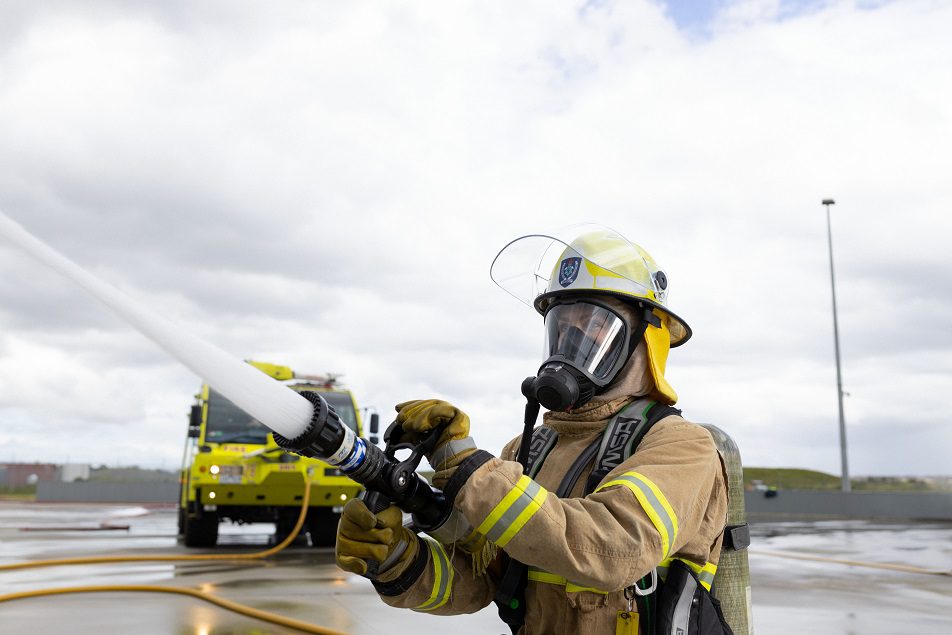
- Firefighting
- State Emergency Services (SES)
- Forest and Land Management
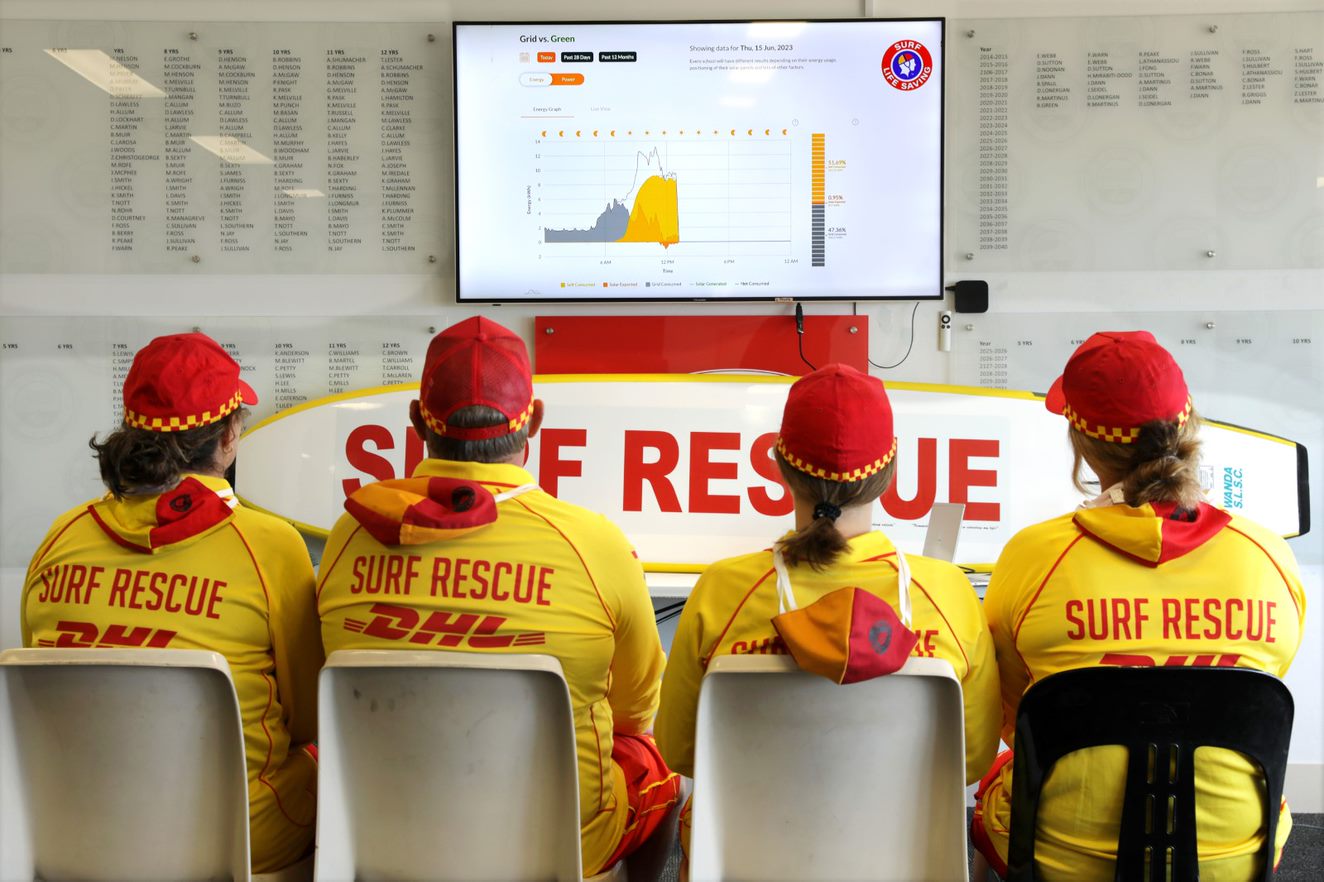
- Surf Lifesaving
- Air Services.
Their main jobs are to save lives, protect property, conserve the environment in disasters, and provide essential services during emergencies such as floods, storms, and earthquakes.
40,000+Career Firefighters nationally
116,000+ Volunteer Firefighters nationally
198,000+Surf Lifesaving Members
32Qualifications
56Skill Sets
265Units of Competency
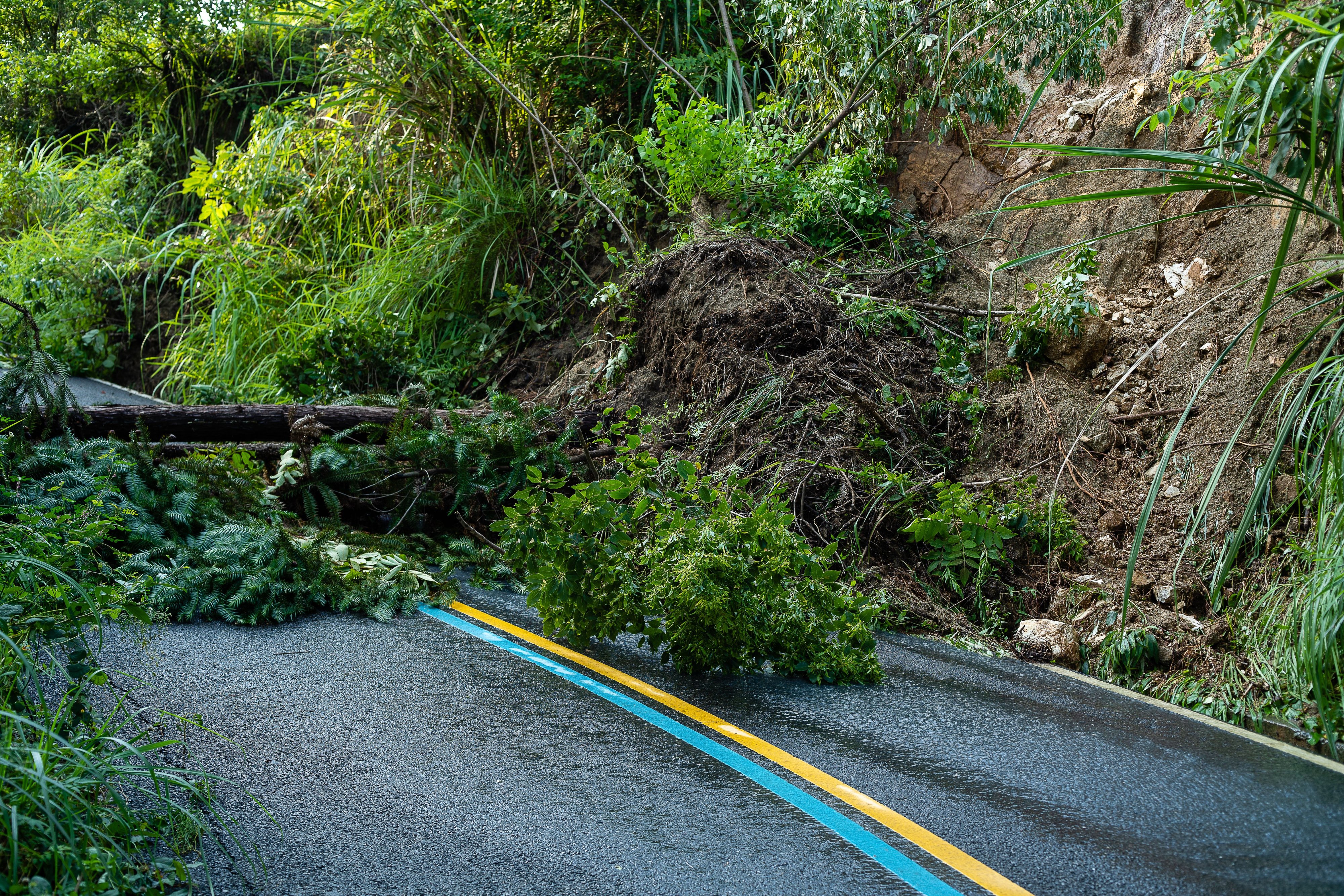
- Climate ChangeResources, capability and capacity are impacted by increased frequency and severity of natural disasters. Enhanced interagency cooperation
- Recruitment and Retention Barriers impacting on youth engagement and youth retention in volunteering, and limited leadership training opportunities for volunteers that focuses on the development of relevant skills when working with unpaid volunteers in an emergency context.
- TechnologyThere are elevated recruitment and retention challenges in Public Safety, with recruitment targets not always aligned to organisational or community needs.
- Demographic ShiftsThe Public Safety workforce is ageing, leading to higher employee and volunteer attrition rates. The ageing population in Australia means increased community assistance needs.
- Technological DevelopmentWorkforces may require emerging technology upskilling and training, as they are impacted by technological development across roles. Technological developments could enhance capability.

Latest fire and emergency news
Latest
Loading…